What Should Homeowners Know Before Installing a Standby Generator?
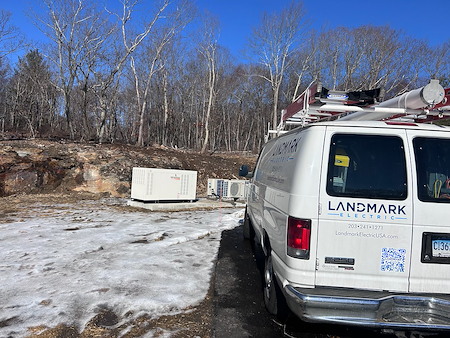
If you live in Milford, CT, you know how quickly a calm day can turn into a windy coastal storm. That is why many homeowners in Woodmont, Devon, Walnut Beach, and beyond are looking into standby generator installation to keep lights on, fridges cold, and sump pumps running. This guide explains the most important decisions to make before you move forward, from sizing to placement to maintenance. For a deeper look at the process, you can review our standby generator installation page as you read.
Why a Standby Generator Makes Sense In Milford, CT
Our shoreline location means nor’easters, heavy rain, and humid summers that strain the grid. Outages can happen any time, and even a short one can spoil food, disrupt work-from-home schedules, or stop a basement sump pump.
A properly selected whole-home generator or a system that covers your essentials can protect comfort and safety. Families with home offices, medical equipment, or finished basements often see the most value because continuity matters more than ever.
Sizing Basics: What Will Your Generator Power?
The first question is not brand or model. It is what you want running during an outage. Do you need every circuit, or just heat, hot water, kitchen, a few outlets, and internet? A licensed generator electrician will calculate your home’s electrical load and recommend capacity that covers starting surges from appliances like well pumps, air handlers, or refrigerators.
Correct sizing protects comfort and sensitive electronics. Oversizing can increase fuel use and noise, while undersizing can cause nuisance trips or leave you without key circuits. Talk through daily routines and must-haves so the design matches how your family lives.
- Common essentials: heat or AC air handler, refrigerator and freezer, kitchen outlets, lighting in key rooms, sump pump, garage door opener, Wi‑Fi and networking gear.
- Nice-to-have circuits: primary bedroom outlets, living room lighting, a second refrigerator, and limited cooking appliances.
If you want a quick overview of how professionals approach standby generator installation, our home page is a helpful starting point and connects you with the right team at Landmark Electric LLC.
Fuel Choices And Run Time Considerations
Most Milford homes choose natural gas or propane. If you already have natural gas service, an automatic standby generator can tie into a properly sized gas meter with approval from your utility. Homes without gas often use a dedicated propane tank sized to the generator’s expected run time. Diesel is common for commercial or rural properties but is less typical for suburban homes because it requires on-site fuel storage and odor management.
Think about how long you want the generator to run without interruption. Natural gas can provide continuous supply during many outages. Propane tanks should be right-sized so they do not run low during longer storm events. A professional will estimate fuel consumption at typical loads to help you plan refills or service intervals.
Placement, Noise, And Neighbors
Placement matters for performance, safety, and peace with the folks next door. Choose a spot with solid drainage, away from bedroom windows, and with enough space for service access. Coastal homes near Walnut Beach or along the Housatonic should also think about elevation and flood-prone areas to reduce risk.
Manufacturers publish sound levels for their units. Many modern models are quieter than a lawn mower, especially at lower loads. Bushes or fencing can reduce perceived sound, but they must not block airflow. Always maintain proper clearances around the generator for ventilation and service. Clearance rules and setbacks vary by manufacturer and municipality, so your installer will confirm what is allowed and what is safe for your specific lot.
Local insight: Milford’s coastal winds can drive snow against the house. Keep the pad slightly raised and clear the surrounding area before winter so drifting snow does not block vents. When choosing a location, confirm it is outside any mapped flood-prone areas to protect equipment and wiring.
Transfer Switches And Automatic Operation
The transfer switch is the traffic cop for your home’s power. In a blink, it senses the outage, starts the generator, and moves your preselected circuits off the grid and onto backup power. When utility power returns, it transitions those circuits back and cools the generator down. This happens automatically when you have an automatic transfer switch, so you do not have to be home to keep essentials running.
Load-shedding technology can prioritize big loads like HVAC so the generator stays within its capacity. Your electrician will map circuits in your service panel to deliver steady power to the rooms and appliances that matter most.
Permits, Inspections, And Utility Coordination
Every town treats generators a bit differently, and requirements change over time. In general, electrical permits and inspections are common, and fuel-related permits may be required for gas piping or propane tank placement. The utility may also need to review gas meter capacity if you use natural gas.
Permits and inspections are typically required; your licensed electrician should manage them. Reputable installers handle drawings, scheduling, and final sign-offs so you do not have to juggle paperwork. They also confirm set-backs, clearances, and grounding that keep the installation compliant and safe.
Milford-Specific Weather And Site Factors
Our mix of coastal storms, high humidity, and winter cold affects equipment choice. Stainless or composite enclosures resist salt air better near the shoreline. In shaded, damp yards, a concrete or composite pad keeps the cabinet level and out of pooling water. If your driveway floods during heavy rain, keep the generator on higher ground and orient exhaust away from areas where wind can blow snow or leaves against vents.
Noise, Vibration, And Comfort
Most standby generators include sound-dampening enclosures and run a weekly test that is quieter than full-load operation. Ask about quiet-test modes and whether the unit can self-test during a time that works for your household. Rubber isolation mounts and a level pad help reduce vibration that can carry into the home, especially near decks or bedroom walls.
Maintenance And Monitoring
Like a car, a generator needs periodic service to stay reliable. Routine tasks include oil and filter changes, battery checks, spark plug replacement, and software updates at the intervals recommended by the manufacturer and your installer. Modern systems can send alerts if a test fails or a sensor notices an issue.
Many Milford homeowners choose a seasonal maintenance plan so their generator is ready before hurricane season and again before winter. Remote monitoring can give peace of mind if you travel or own a second home. If you want to see how a professional team supports you after startup, this overview of automatic standby generator service highlights the typical care cycle from commissioning to routine checkups.
Project Timeline And What To Expect
Timelines vary based on permitting, utility coordination, and manufacturer lead times. Your path usually includes an in-home assessment, a written design with the circuits to be backed up, permit submission, site preparation, fuel coordination, installation, testing, and final inspection. Weather can delay outdoor work, so many Milford homeowners schedule assessments in late spring or early fall to get ahead of peak storm seasons.
Your electrician should provide clear communication about each step, how long the generator will exercise each week, and what you can expect during the first few months. A straightforward plan prevents surprises and helps you plan around family schedules.
Safety Essentials You Should Not Overlook
Combustion engines create carbon monoxide. Keep generators away from windows and vents, and verify your home’s CO detectors are installed and working. Electrical bonding and grounding must be correct so the system behaves predictably during faults. These are reasons homeowners choose licensed professionals instead of trying to piece together parts or portable solutions for whole-home needs.
- Ask your electrician how the system protects sensitive electronics and HVAC equipment during transfer.
- Confirm the maintenance schedule and who to call if a weekly self-test fails.
- Discuss snow removal around the generator to keep vents clear in January and February.
Budget And Value Considerations
Costs vary by home size, the number of circuits you back up, fuel type, pad and trenching needs, and the season. Bigger homes with multiple HVAC systems or well pumps usually require larger generators and more detailed load management. Smaller homes may do well with an essentials-only design that still covers heat, refrigeration, and communications.
A reliable backup generator can prevent losses that are hard to put a number on, like water damage from a failed sump pump or spoiled food after a long outage. Think in terms of resilience. If a short outage would be disruptive, the value of dependable power rises.
Choosing The Right Partner
Experience with whole home systems matters more than brand stickers. Look for a licensed generator electrician who performs detailed load calculations, explains transfer switch options, and is comfortable coordinating permits and inspections. You should receive a clear design map of which circuits are backed up, where the generator sits, and how fuel is supplied.
Ready for reliable power? Schedule your standby generator installation assessment with a licensed generator electrician today. You will get a plan that balances comfort, safety, sound, and long-term maintenance so the system works year after year. To talk with a pro at Landmark Electric LLC, call 203-520-7850 and ask about home generator service for your neighborhood.
Final Takeaways For Milford Homeowners
Standby generators give peace of mind during storms and everyday outages. Get the size right, choose a suitable fuel, pick a smart location, and keep up with maintenance. When you design the system around how your family lives, you will feel the difference the next time the lights flicker.
If you are weighing options, start with a quick conversation and a load evaluation. From there, your installer can tailor the design to your needs and schedule the work at a time that fits. Learn more about the process by scanning our overview of standby generator installation and see how Landmark Electric LLC supports Milford, CT homes through every season.
Important tip: Before a stormy season arrives, confirm your weekly self-test time and keep the area around the generator clear for airflow and service.
Have An Electrical Repair That Needs Attention? Contact Our Fairfield Electricians Today!