How to Size a Standby Generator for Your Fairfield Home
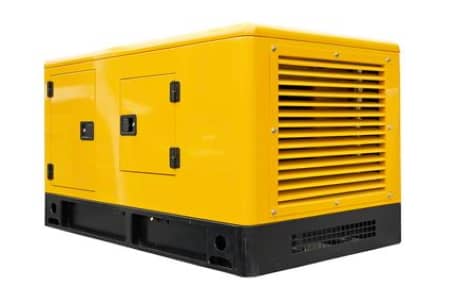
Power blips in Fairfield can turn into long outages during nor’easters or summer thunderstorms. If you want reliable backup power, the right standby generator size matters. Below, you’ll learn what really drives generator size for homes in neighborhoods like Greenfield Hill, Stratfield, Southport, and Tunxis Hill, and how a licensed electrician from Landmark Electric LLC can help you make a confident choice.
Already comparing options? See how professional standby generator installation protects comfort and safety when the grid goes down.
Why Generator Size Matters
A generator that’s too small will trip, stall, or force you to shut off essentials. One that’s too large can waste fuel and add noise. The goal is a system that starts strong, runs steady, and matches your lifestyle without overspending on capacity.
- Right-size power means fewer surprises when big loads like central AC, well or sump pumps, and refrigerators cycle on.
- Proper sizing reduces wear, saves fuel, and helps your generator last longer between services.
Start With Your Coverage Goal
Before anyone calculates watts, decide what you want powered:
- Essentials only: heat, lights, fridge, a well or sump pump, and minimal outlets.
- Managed whole-home: most of the house stays on while smart modules temporarily pause select heavy loads during peaks.
- Full whole-home: all circuits stay live, including multiple HVAC systems and kitchen appliances.
Never choose a generator by square footage alone. Two same-size homes in Fairfield can have totally different electrical needs based on equipment, fuel type, and family routines.
What Actually Drives Generator Size in Fairfield, CT
Every home is different, but these factors have the biggest impact here in coastal Connecticut:
Major HVAC loads. Central air, heat pumps, and electric heat strips have high start-up surges. If you have two systems or a high-tonnage unit, your generator likely needs more headroom.
Water movement. Fairfield homes with wells and basements often rely on well pumps and sump pumps. Those motors demand extra starting power and affect sizing decisions.
Kitchen and laundry. Electric ranges, ovens, and dryers are heavy continuous loads. Gas appliances reduce demand on the generator.
Home office and medical needs. Servers, network gear, or sensitive medical devices call for steady, clean power and may influence the size and load-management strategy.
Neighborhood and site conditions. In Southport or Fairfield Beach areas, consider salt air and potential flooding. Elevating the pad, choosing a corrosion-resistant enclosure, and planning safe clearances help ensure reliable operation.
Fuel Choices: Natural Gas vs. Propane
Most Fairfield homes choose one of two fuels:
Natural gas offers continuous supply if your street is served and your meter is sized appropriately. Propane works anywhere and can be paired with an aboveground or buried tank sized for longer outages.
Cold snaps, long storms, and coastal winds mean planning for runtime. A pro can coordinate with your fuel provider so the generator and supply are matched for expected outage duration in Fairfield County.
Starting Loads, Surge, and Why They Matter
Motors and compressors draw a brief surge when they start. Your generator must handle those moments without dropping voltage. This is where a managed whole-home setup shines: load-shedding modules momentarily pause select heavy circuits so your generator doesn’t get overwhelmed.
Combining a correctly sized generator with smart load management often delivers full-home comfort without oversizing.
How Pros Size a Standby Generator
A licensed electrician performs a load evaluation and considers your comfort goals, then selects a generator and an automatic transfer switch that work together. Typical steps include:
- Reviewing your panel, breakers, and service size
- Listing major loads and identifying surge-heavy equipment
- Discussing lifestyle needs during outages, including AC and cooking
- Choosing an ATS type and any load-shedding modules
- Planning safe placement with proper clearances and airflow
Homes that want essentials only can run a smaller system. Many Fairfield households aiming for whole-home comfort, especially with central AC and pumps, often land in the low-to-mid 20 kW range. Your exact size depends on your equipment, fuel, and comfort preferences.
Local Placement Tips For Fairfield Homes
Site choice impacts performance and peace of mind:
Keep generators where snow and drifting leaves won’t block vents. Choose a spot with good airflow and reasonable distance from bedroom windows. In Fairfield Beach or Sasco Hill areas, consider elevation to reduce flood risk and talk about corrosion protection for salt air. Your installer will set clearances and orientation to meet safety guidelines.
Transfer Switches and Load Management
Your automatic transfer switch (ATS) senses outages and moves your home to generator power. Pairing an ATS with load-shedding modules lets the system prioritize HVAC, pumps, and refrigerators. That way, you can often use a smaller generator without sacrificing comfort or safety.
Curious about common homeowner questions? This whole-home generator faqs article breaks down popular concerns in plain language.
Real-World Fairfield Scenarios
Greenfield Hill with a well and two HVAC units. You may prefer managed whole-home power. A properly sized generator with smart load control keeps water flowing and the house comfortable without oversizing.
Stratfield or Tunxis Hill with gas heat and one AC. Essentials-only may work if you’re comfortable pausing laundry or the oven during peaks.
Southport coastal cottage with a dehumidifier and sump pump. Focus on moisture control, refrigeration, and targeted cooling. Placement and enclosure durability also matter near salt air.
Avoid These Common Sizing Mistakes
Don’t guess by square footage, and don’t rely on a single appliance’s label. Avoid stacking too many continuous loads on a small unit. Most of all, don’t skip the professional load evaluation. A short planning visit can prevent years of headaches.
When you’re ready to choose, browse our overview of standby generator installation so you know what to expect from site prep to final testing.
How Landmark Electric LLC Makes Sizing Simple
With local experience across Fairfield County, we know how homes here are built and what our weather throws at them. Our licensed electricians evaluate your panel, list critical and comfort loads, and recommend a generator and ATS that fit your goals. We also review placement, fuel coordination, and maintenance so your system is dependable when you need it most.
Want a broader look at services for upgrades, wiring, and safety at home? Explore our residential electrician services to see how we can help modernize and protect your property.
Ready To Right-Size Your Generator?
If you’re serious about standby generator sizing in Fairfield, CT, bring in a pro who will verify your loads, your comfort goals, and your fuel plan. We’ll size it correctly the first time, install it cleanly, and test it under real conditions so you can relax when storms roll in.
Talk With A Local Expert Today
Let’s match your home to the right solution and get your questions answered. Call Landmark Electric LLC at 203-520-7850 or request a consult online. When you’re ready to move forward, our team will guide you from selection to start-up. Get started here and keep your Fairfield home powered with confidence.
Your next step: schedule a consult and learn how we’ll tailor the system to your home and habits. Visit our service page to begin: standby generator installation.
Have An Electrical Repair That Needs Attention? Contact Our Fairfield Electricians Today!